We use a label-first, source-transparent approach rather than repackaging promotional assertions as independent evidence.
Step 1 — Identify the exact material
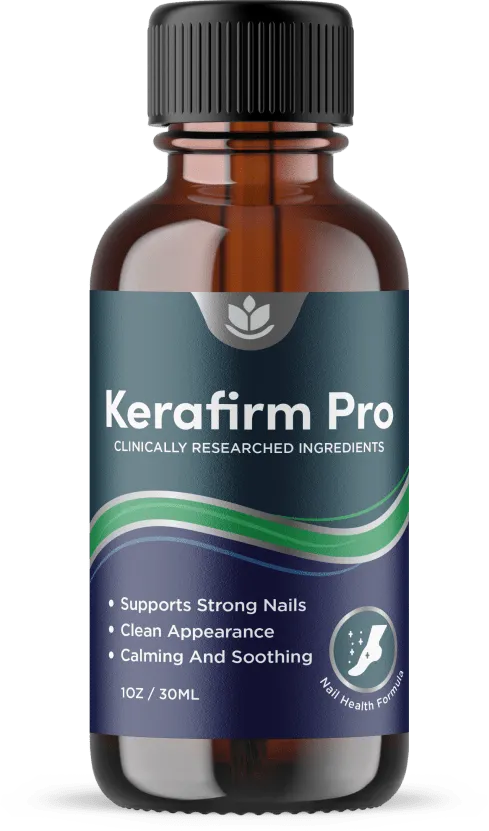
We identify whether a statement comes from supplied packaging, seller marketing, a government resource, a professional medical organization or third-party research. When those sources differ, we say so. The Kerafirm Pro ingredient lists are one example.
Step 2 — Separate claims from proof
We distinguish the existence of a product and printed instructions from evidence that a finished formula produces a defined result. We do not infer a cure or guarantee from ingredient names, customer anecdotes or unsupported marketing percentages.
Step 3 — Check safety context
We consider label warnings, external-use directions, allergens, and credible public guidance on symptoms requiring professional care. We avoid offering individualized medical treatment recommendations.
Step 4 — Review the transaction
We compare package quantities, seller-published refund steps, bonus conditions and variable shipping messages. Promotional checkout details can change, so current terms are always more authoritative for a live purchase than figures fixed in this article.
Corrections and update standards
This site is dated October 9, 2026. Readers should treat seller claims, regulatory classifications and product packaging as potentially changeable. We do not claim to have performed laboratory analysis or independently verified the manufacturer. We do not invent physician reviewer identities or testimonial sources.
Our source selection policy explains how we choose links and characterize the evidence.
Sources and notes
Links document the claim or topic described; listing a source does not mean that organization endorses Kerafirm Pro.